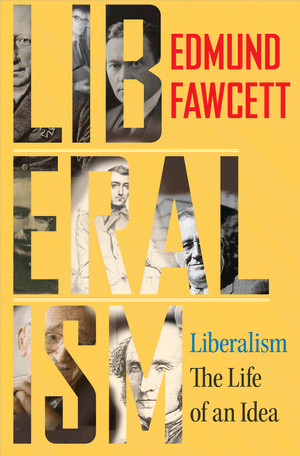
This is what one could call a tour de force: a biography of liberalism from 1830 until now. As far as I know, the first of its kind. And its a great joy to read – at least for those interested in the history of ideas. Fawcett (a former journalist) is clearly knowledgeable, has doneContinueContinue reading “Liberalism, The Life of an Idea – Edmund Fawcett (2014)”
Category Archives: Blog
The Magic Mountain – Thomas Mann (1924)
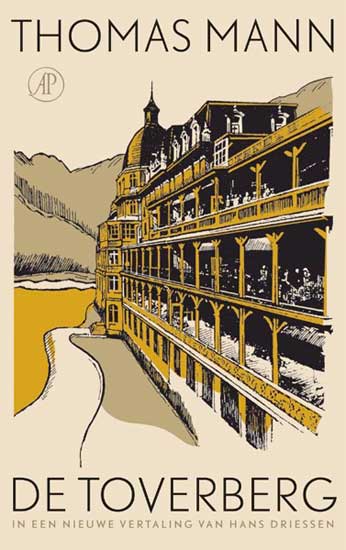
The all-time classic that most people advise me to read, when advising an all-time classic. I like the style, the characters and the beautiful sentences, but it is a slow-read. Would I after all be a victim of the modern age, with its emphasis on snippets of information and short attention span? Am only halfContinueContinue reading “The Magic Mountain – Thomas Mann (1924)”
Simple Rules – D. Sull and K. Eisenhardt (2015)
Simplification is not necessarily a form of stupidity – it can be a form of intelligence. Even of brilliance. Simple rules are, simply put, rules of thumb. And simple rules are applicable to almost every area. They do three things very well: Confer flexibility to pursue new opportunities while maintaining some consistency Can produce betterContinueContinue reading “Simple Rules – D. Sull and K. Eisenhardt (2015)”
Messy Iraq will remain an issue in American elections

As this New Yorker article by Dexter Filkins (author of the great book The Forever War) argues, it should’t surprise anyone that no politician in charge in the last 10 years, Republican or Democrat, isn’t compromised by the chaotic American involvement in Iraq. Claiming that State Secretary Hillary Clinton stood by while events unravelled is as un-factualContinueContinue reading “Messy Iraq will remain an issue in American elections”
Reis naar het continent – Mathieu Segers (2013)
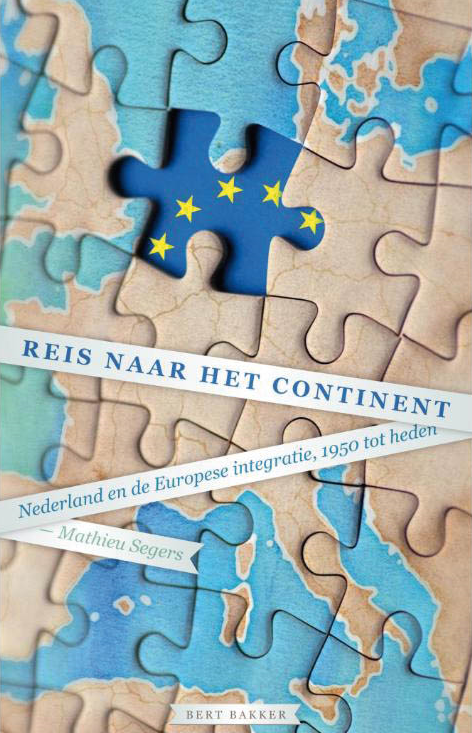
This is a very well researched account of the creation of Europe, from World War II to the present day, with quite some technical details. Nevertheless, Segers never loses his general thread. He starts with stressing that the unification of Europe was a strongly held wish from the United States (“building Europe”) and that thereContinueContinue reading “Reis naar het continent – Mathieu Segers (2013)”
Superpower – Ian Bremmer (2015)

As the US presidential election approaches, books on candidates, geopolitical issues and the hard choices would-be presidents will see themselves confronted with, will hit the bookstores in big numbers. My guess is that this one will probably stand out for clarity, as the author isn’t afraid to balance all his arguments – as normally seen in essays. After G-Zero this is Bremmer’sContinueContinue reading “Superpower – Ian Bremmer (2015)”
The importance of insititutional reform – lessons for Greece

A recent Foreign Affairs article draws a parallel between the Greek crisis and how Latvia recovered from its own crisis. The lesson – one that we learn over and over again – is clear: unless accompanied by substantial institutional reforms, neither austerity nor Grexit will work. I furthermore hope that Tsipras finds the time toContinueContinue reading “The importance of insititutional reform – lessons for Greece”
Mountains of the mind – Robert Macfarlane (2003)

This book has put my passion for mountain climbing into words. A must read for hikers, explorers and nature lovers alike; providing essential context to books as Touching The Void and Into Thin Air. In a very eloquent manner – tying literature, geology and climbing history together – Macfarlane explores why we take enormous risks justContinueContinue reading “Mountains of the mind – Robert Macfarlane (2003)”
La vérité sur l’affaire Harry Quebert – Joël Dicker (2012)

The first part reminded me of The Secret History, the second is an amazing whodunnit. Ingeniously structured – as a book within a book, telling three interwoven stories – and beautifully written (by the enviable young Dicker!), it tells lessons about the art of writing, about love and about coping with our inner demons .ContinueContinue reading “La vérité sur l’affaire Harry Quebert – Joël Dicker (2012)”
Resource Revolution – Stefan Heck & Matt Rogers (2014)
Well researched (authors are McKinsey consultants) and full of fascinating examples, the book explains how to capture the ‘biggest business opportunity in a century’: the resource revolution. Combining sustainability challenges (doing more with less) with sound business practices, Heck and Rogers make a convincing case to not wait and see, but actively shape this newContinueContinue reading “Resource Revolution – Stefan Heck & Matt Rogers (2014)”
Baltische Zielen – Jan Brokken (2010)
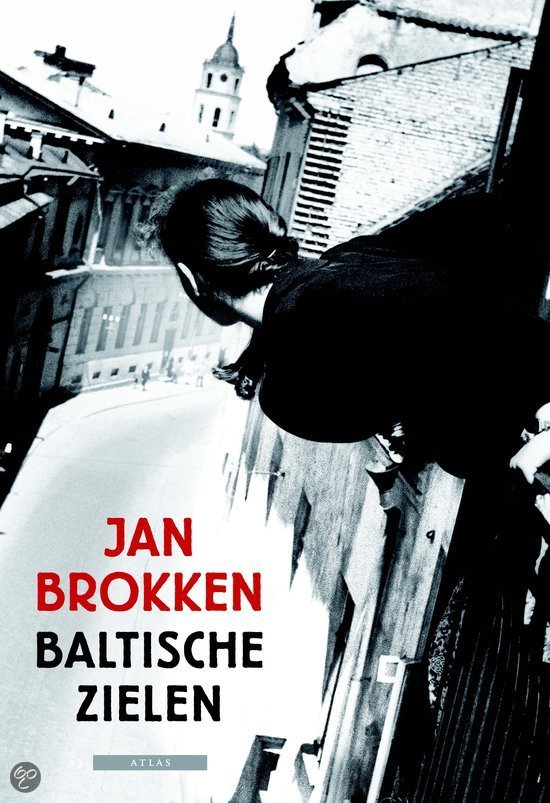
Beautiful, often emotional, stories describing the fascinating and cruel history of the Baltic countries Estonia, Latvia and Lithuania, wedged between Europe and Russia. Brokken makes us witnesses of the lives of both normal and famous people dealing with fear, humiliation and murder as their countries are constant object of foreign occupation: be it Polish, German of Russian. The book served asContinueContinue reading “Baltische Zielen – Jan Brokken (2010)”
Is the EU doomed? – Jan Zielonka (2014)

The short answer is: yes, the EU is doomed (and will only survive in minimal form), but Europa will further integrate and have a bright future. Zielonka foresees a European structure led by cities, regions and NGO’s. I not only think this is a realistic option, but also one that I could support. It’s moreContinueContinue reading “Is the EU doomed? – Jan Zielonka (2014)”
Soumission – Michel Houellebecq (2015)
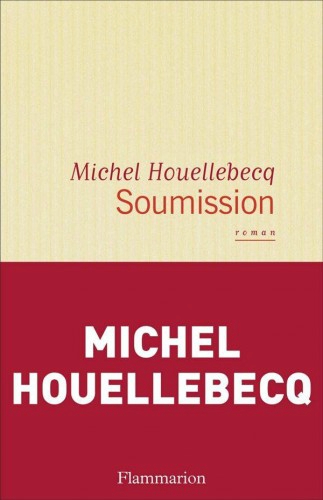
One of the most intriguing notions Houellebecq puts forward in his latest novel is not that the populist right is a stable force in the political landscape, nor that in 2022 a Muslim party wins a large share of votes. No, it’s the reaction to this outcome that surprises. When it becomes clear that theContinueContinue reading “Soumission – Michel Houellebecq (2015)”
Exodus – Paul Collier (2014)

Famous economist Paul Collier’s latest book focuses on the effects of migration; on both the immigrant as the people who welcome them. He manages to stay away from the moral high ground, that so often characterizes publications on this matter. His conclusions are surprising and have the potential to reframe the complex debate around migration.ContinueContinue reading “Exodus – Paul Collier (2014)”
Heretic. Why Islam must change to join the modern world – Ayaan Hirsi Ali (2015)
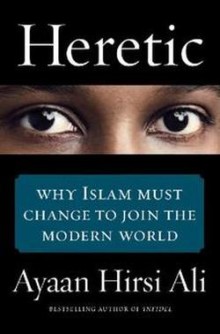
Right in the beginning of her book Hirsi Ali admits thats she was wrong to state, as she did in her last book, that Islam can’t be reformed. The Arab Spring is the reason of her striking U-turn and has fueled Ayaan’s hope that reform is possible. The central thesis of ‘Heretic’ is that the fundamentalContinueContinue reading “Heretic. Why Islam must change to join the modern world – Ayaan Hirsi Ali (2015)”
Reasons to stay alive – Matt Haig (2015)

Highly recommended by Stephen Fry (a reason in itself to purchase it) this book shows Haig is a writer of great talent. With a mix of humor and sensitivity he takes us to the deepest abyss of his life: his years of depression. His descriptions are of great intensity (not being able to get upContinueContinue reading “Reasons to stay alive – Matt Haig (2015)”
 PEPIJN VAN DIJK