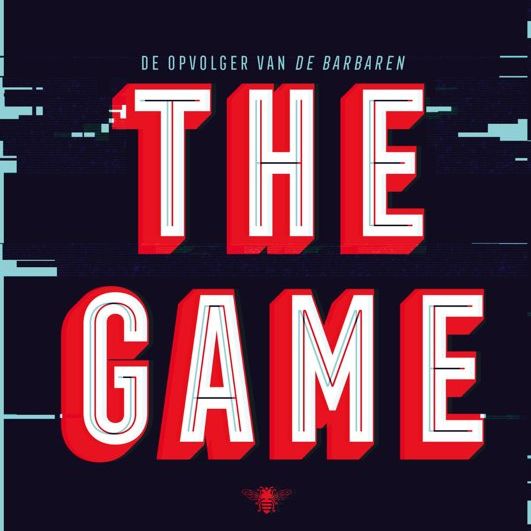
In feite heeft Baricco, met The Game, een lang essay geschreven. Een tekst zoals een essay bedoeld is: een onderwerp onderzoeken, binnenstebuiten keuren, de materie proberen te begrijpen; essayer. Baricco heeft een originele, persoonlijke filosofische stijl, die soms praktisch en dan weer hoogdravend is. Baricco schotelt ons een vermakelijke zoektocht voor langs de verschillende mijlpalenContinueContinue reading “Geschiedenis van de digitalisering”
Tag Archives: Economie & Filosofie
This is how you make people addicted to your digital products…but should you?
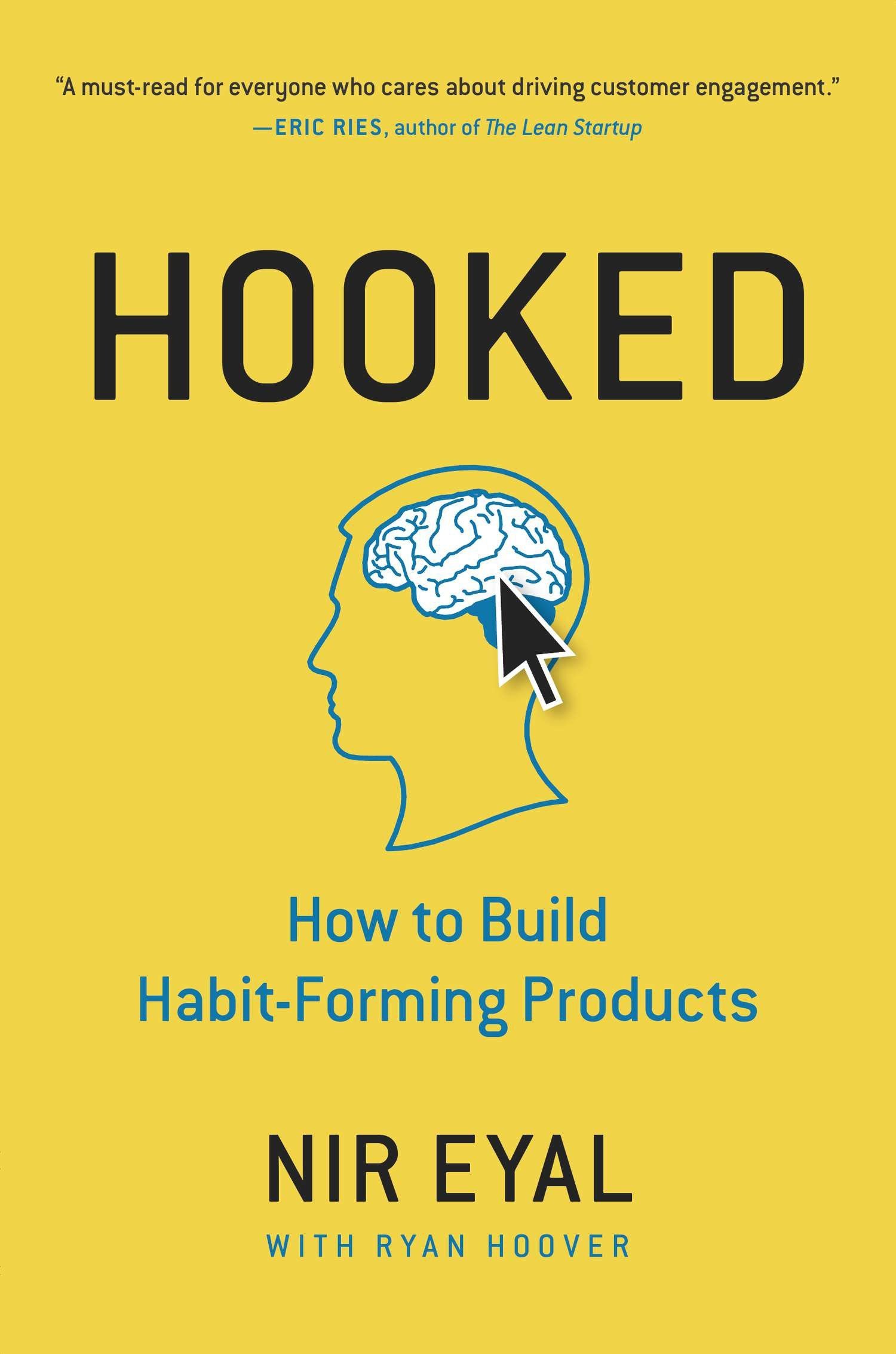
Instructive guide on how to build the right incentives, feedback loops and variable rewards. A go-to-guide for developers, and marketeers alike. Below picture summarizes the premise of the book quite well. What do customers really want, which pain do you promise to solve? That’s the internal trigger the product (e.g. platform) is offering. The externalContinueContinue reading “This is how you make people addicted to your digital products…but should you?”
There is no free will
Free will is an illusion. It’s even worse: it’s a totally incoherent.Sam Harris wants to convince us understanding this actually matters and can change everything. The popular notion of free will rests on two assumptions:1. That each of us could have behaved differently than we did in the past. You choose chocolate but could haveContinueContinue reading “There is no free will”
US-China deal is about ordinary workers

https://www.youtube.com/watch?v=oYraLI04WiU Fascinating piece of tv. “Nationalist” Steve Bannon and “cosmopolitan” Tom Friedman are in agreement on how to deal with China – who would have thought?
Geestig en slim
De mij tot voor kort onbekende Tim Fransen heeft, met zijn “Brieven aan Koos”, een daverende entree in mijn leven gemaakt. Heb hardop gelachen om zijn grappen en beschrijvingen van ongemakkeljke reiservaringen die hij in brieven aan zijn mentor Koos optekent. Tim is naast cabaratier ook filosoof, en verkent aan de hand van zijn intellectueleContinueContinue reading “Geestig en slim”
Pax Americana, iPhone addiction and living a good life
Pax Americana in a Chinese world Our modern day addiction Brooks on our Second Mountain
Groei is goed: Ayn Rand meets Amartya Sen

Voor degenen die een injectie optimisme na een bewogen 2018 goed kunnen gebruiken. De fascinerende Tyler Cowen (ook maker van een briljante podcast) doet in dit, behoorlijk abstracte, boek wat een goed boek hoort te doen: je aan het denken zetten. Tyler Cowen is econoom, veellezer, schrijver en een van de honderd invloedrijkste denkers terContinueContinue reading “Groei is goed: Ayn Rand meets Amartya Sen”
Kwartfinale Eurocrisis: België-Nederland
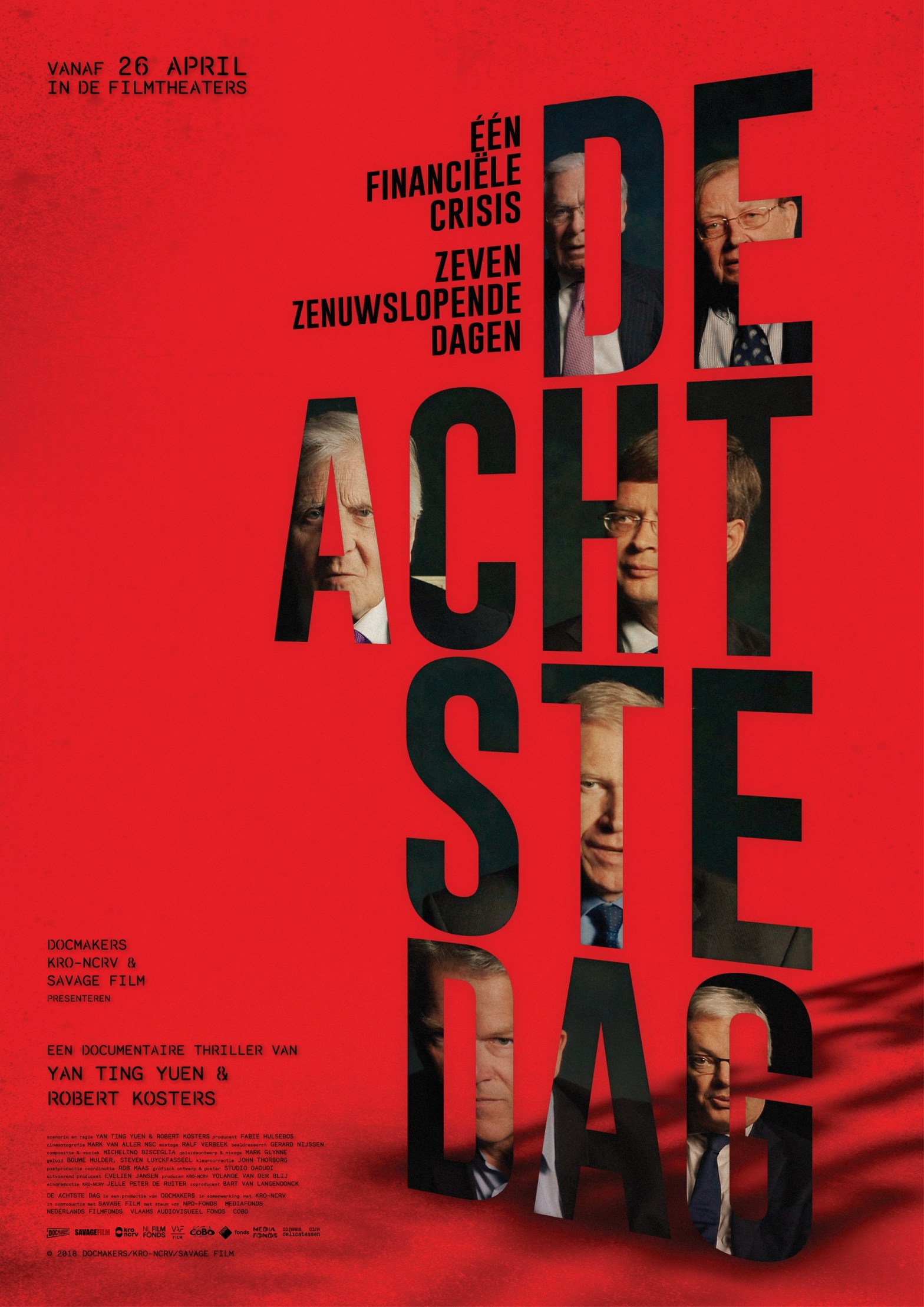
https://www.youtube.com/watch?v=10R2hwKxMB4 Fijne reconstructie van de bepalende dagen in 2008 voor de redding van Fortis/ABN-Armo. De hoofdrolspelers van toen (o.a. Trichet, Bos, Leterme, Balkenende) vertellen hoe de financiële crisis Europa aan de rand van de afgrond bracht. En we leren ook dat de Belgen toch iets anders tegen de affaire met de banken aankeken dan wij….ContinueContinue reading “Kwartfinale Eurocrisis: België-Nederland”
Don’t buy the simple story
Tyler Cowen arguing against the art of storytelling https://www.ted.com/talks/tyler_cowen_be_suspicious_of_stories?language=en
Courage is the only virtue that cannot be faked

I love Nassim Taleb’s books: they’re thought-provoking, intelligent and pretty original. His themes are important ones: how do complex systems behave, why is being anti-fragile better than being robust? His writing is full with philosophy inspired insights, new views on old matters and funny provocations. His latest subject is no exception: the importance of havingContinueContinue reading “Courage is the only virtue that cannot be faked”
Almost all US states richer than Europe
Surprisingly enough, Europe is lagging all American states economically
The fourth industrial revolution

A practical introduction to the new economy – in which platforms as Uber and Amazon are the new standard. Also a great guide when trying to build a platform… Parker, Van Alstyne and Choudary, Platform Revolution, 352 p Norton & Co 2016
Taleb & Kahneman. Together!
Two of the greatest minds alive (and authors of some of my favourite books) discuss anti-fragility, globalisation, the economy, fuck-you money, moral hazard, Prometheus, probability and washing machines. Somewhat awkward, never a real conversation – yet always interesting. Just watch & enjoy! https://www.youtube.com/watch?v=MMBclvY_EMA
De Grote Kloof
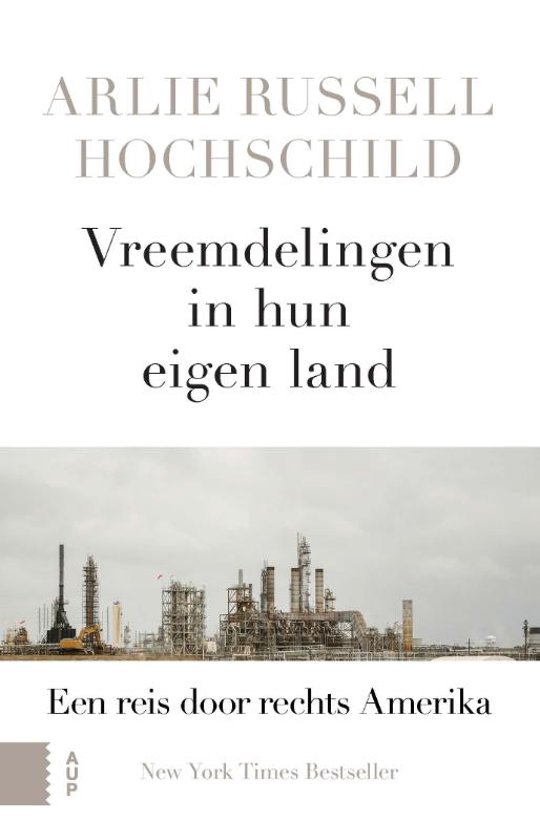
Waarom stemmen zoveel Amerikanen tegen hun eigen belang? Hoewel deze vraag al vaak onderzocht is, is ze nu na de verkiezing van Trump en kiezersmanipulatie via social media weer relevant. De linkse hoogleraar Arlie Russel Hochschild (Berkeley) gaat in dit boek verder waar de meeste onderzoekers ophouden: ze gaat daadwerkelijk tussen haar onderzoeksgroep wonen (5ContinueContinue reading “De Grote Kloof”
Still waiting for the new big macroeconomic idea..

Saltwater economics vs. freshwater economics: the battle is on. New Keynesian macroeconomists (saltwater) fail to acknowledge radical uncertainty in their models, and still can’t to explain why banks underprice risk worldwide. But has the other side a better model? Read this interesting article by Robert Skidelsky for Project Syndicate.
Elite, durf te leiden! Opdat we vrij zijn

De mens onderscheidt zich van dieren doordat we onze geschiedenis met ons mee torsen. Het dier begint elke generatie weer opnieuw. Natuurlijk, het leven is altijd weer anders, maar de geschiedenis dient een centrale plaats hebben in het heden om haar te kunnen overtreffen. De mens heeft zich uit zijn natuurtoestand weten te ontworstelen doorContinueContinue reading “Elite, durf te leiden! Opdat we vrij zijn”
Circular economy explained by an economist
Minority power
Fascinating piece by the great Nassim Nicholas Taleb (from last summer) on intolerance as a winning strategy (when in doubt, choose McDonald’s). It’s a long read, but worth every minute. It will teach you a lot on the impact of applying minority rule to democracy, religion and financial markets. As a teaser: “Let us conjectureContinueContinue reading “Minority power”
Echte armoede bestrijden

Paul Collier, voormalig directeur bij de Wereldbank en hoogleraar te Oxford richt zich in een van zijn onverwachte bestsellers, in het Nederlands vertaald als ‘Een Miljard Achterblijvers’, op de specifieke groep van landen waarvan de inwoners in de val zitten. De val van armoede, waar ze niet zomaar meer uit komen. Sterker nog, de situatie wordtContinueContinue reading “Echte armoede bestrijden”
Complexity science as the new Third Way
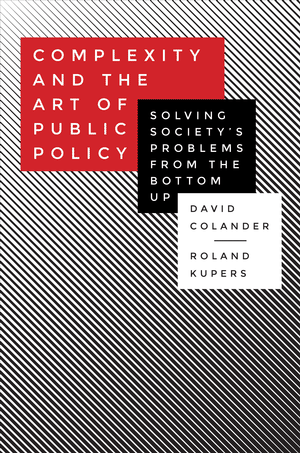
John Stuart Mill has said that models provide, at best, half truths and one must blend intuition and a broader sensibility with economics models to arrive at sensible policy conclusions. He was right. There are no one-size-fits-all solutions, not in economics and certainly not in real life. This book introduces the complexity framework as a solutionContinueContinue reading “Complexity science as the new Third Way”
Rulers of the world
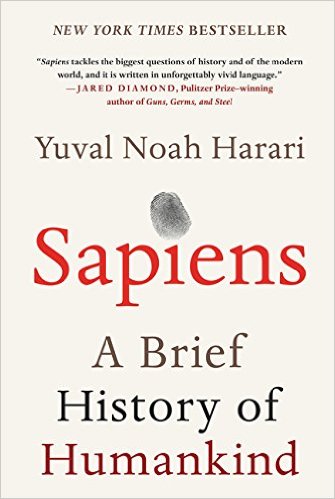
The United Nations don’t exist. The only place the nations of the world come together is in our minds. Think about it: destroying their headquarters in New York wouldn’t make us stop believing in the existence of the UN. Nor would the sudden disappearance of all its employees make the UN physically vanish. Nor wouldContinueContinue reading “Rulers of the world”
Wat te doen na de crisis?
Acht vooraanstaande economen – van Ha-Joon Chang tot Tyler Cowen – worden door Hans Wansink gevraagd hoe we zouden moeten reageren op de financiële crisis. Op de eerste pagina omarmt de samensteller van deze bundel de idee dat de crisis veroorzaakt is door de ‘creatieve destructie van de neoklassieke hegemonie’. Teveel kapitalisme, teveel vrijemarkt etc.ContinueContinue reading “Wat te doen na de crisis?”
How to change our habits?

Being addicted to gambling, murdering your wife and obsessive nail-biting have something in common: they all can be prevented by replacing bad habits with good ones. The simple, but essential insight from this book is that one has to see the habit to be able to change it. This goes for individuals, organizations and societies.ContinueContinue reading “How to change our habits?”
Het grootste datalek ooit: hoe crimineel geld wordt verstopt
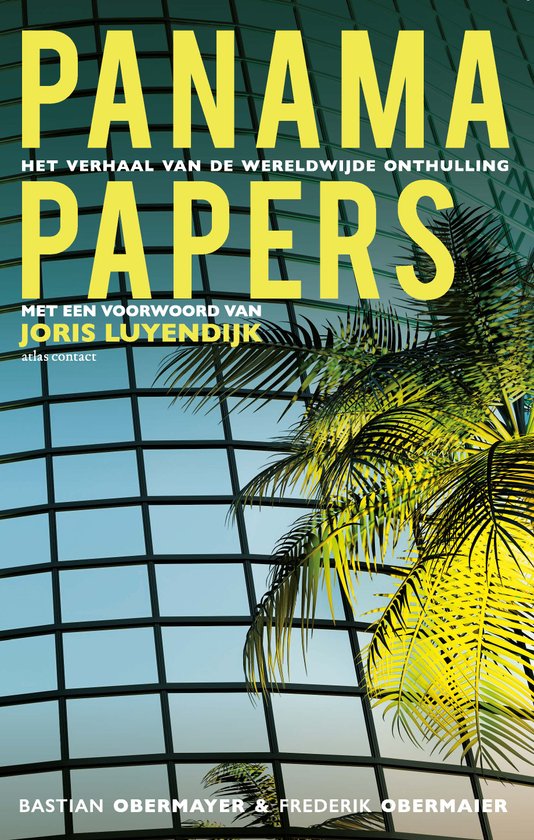
Hét boek over de tot standkoming van de Panama Papers, het grootste datalek ooit. Van de hand van de twee journalisten van de Suddeutsche Zeitung met bijna identitieke achternamen; Frederik Obermaier en Bastian Obermayer. Een ding is helder: als je wil kan je rijkdom onzichtbaar blijven. Dat is prettig. Het zal echter niet verbazen datContinueContinue reading “Het grootste datalek ooit: hoe crimineel geld wordt verstopt”
The Big Short (2015) ****
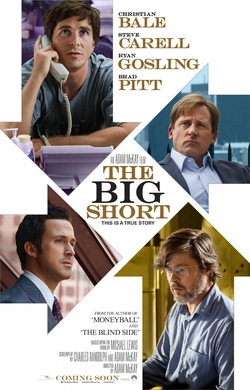
https://www.youtube.com/watch?v=LWr8hbUkG9s Great film; a successful adaptation of the book. Its scenario, actors and humor make a strong mix that drives the message home. Immoral behavior spurred by wrong incentives and a lack of real understanding (with bankers as well as customers) of financials products laid the foundation of one of the biggest economic meltdowns ever.ContinueContinue reading “The Big Short (2015) ****”
The Hedgehog and the Fox
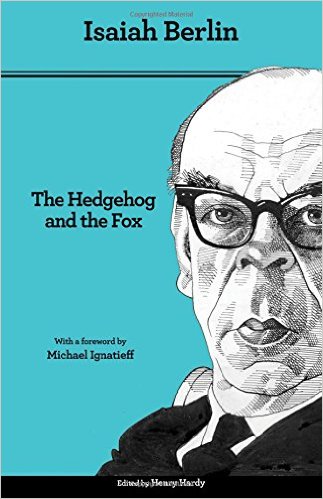
In this essay on Tolstoy, philosopher Isaiah Berlin argues that there is a fundamental distinction between those who are fascinated by the infinitive variety of things (foxes) and those who relate everything to a central, all-embracing system. The distinction comes from a saying of the ancient Greek poet Archilochus: “The fox knows many things, butContinueContinue reading “The Hedgehog and the Fox”
What is disruptive innovation?

Sometimes it seems all innovation is disruptive and all start-ups will change our lives, but as this HBR article explains the term is often wrongly used and can be misleading. And – spoiler alert – Uber doesn’t fit the label.
Will Angus Deaton’s thinking now become mainstream?

This week Angus Deaton won the Nobel Prize in Economics for his work on development, welfare and poverty. Although he is optimistic about the world as a whole becoming a better place he very much criticizes the West’s attempts to alleviate poverty in developing countries. He even insists that ‘we’ are currently making things worse.ContinueContinue reading “Will Angus Deaton’s thinking now become mainstream?”
The Tyranny of Experts – William Easterly (2014)
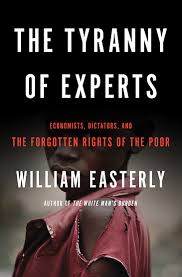
This book wants to provoke, to stir debate and eventually change our thinking on how to help the poor. Its great subtitle, Economist, Dictators and the Forgotten Rights of the Poor, is just the start. Easterly main message is that the real cause of poverty is the unchecked power of the state against poor peopleContinueContinue reading “The Tyranny of Experts – William Easterly (2014)”
Liberalism, The Life of an Idea – Edmund Fawcett (2014)
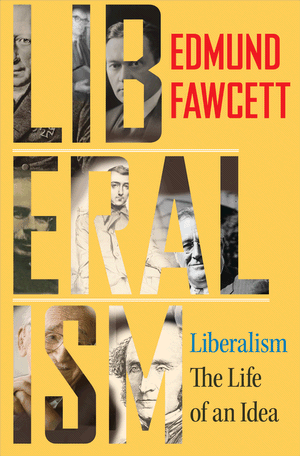
This is what one could call a tour de force: a biography of liberalism from 1830 until now. As far as I know, the first of its kind. And its a great joy to read – at least for those interested in the history of ideas. Fawcett (a former journalist) is clearly knowledgeable, has doneContinueContinue reading “Liberalism, The Life of an Idea – Edmund Fawcett (2014)”
The importance of insititutional reform – lessons for Greece

A recent Foreign Affairs article draws a parallel between the Greek crisis and how Latvia recovered from its own crisis. The lesson – one that we learn over and over again – is clear: unless accompanied by substantial institutional reforms, neither austerity nor Grexit will work. I furthermore hope that Tsipras finds the time toContinueContinue reading “The importance of insititutional reform – lessons for Greece”
Resource Revolution – Stefan Heck & Matt Rogers (2014)
Well researched (authors are McKinsey consultants) and full of fascinating examples, the book explains how to capture the ‘biggest business opportunity in a century’: the resource revolution. Combining sustainability challenges (doing more with less) with sound business practices, Heck and Rogers make a convincing case to not wait and see, but actively shape this newContinueContinue reading “Resource Revolution – Stefan Heck & Matt Rogers (2014)”
Dit kan niet waar zijn – Joris Luyendijk (2015)

Set up as an anthropological study, Luyendijk spent a year and a half in the London City interviewing around 200 bankers, so-called quants, recruiters and everyone willing to participate in his experiment -published as a blog on The Guardian website. His mission was to get answers to questions as ‘What Happened?’ and ‘Have adequate measuresContinueContinue reading “Dit kan niet waar zijn – Joris Luyendijk (2015)”
Whoops! – John Lanchester (2010)
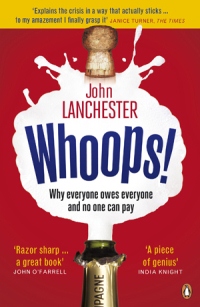
With great wit Lanchester describes what went wrong during the prelude to the financial crisis and who is to blame (answer: the risk takers, i.e.bankers, but also you and me). In plain language CDO’s, securitization and the difference between debt and deficit are explained, helping to better grasp the painful reality: Why everyone owes everyoneContinueContinue reading “Whoops! – John Lanchester (2010)”
De Prijs van een Slecht Geweten – Arend Jan Boekestijn (2010)
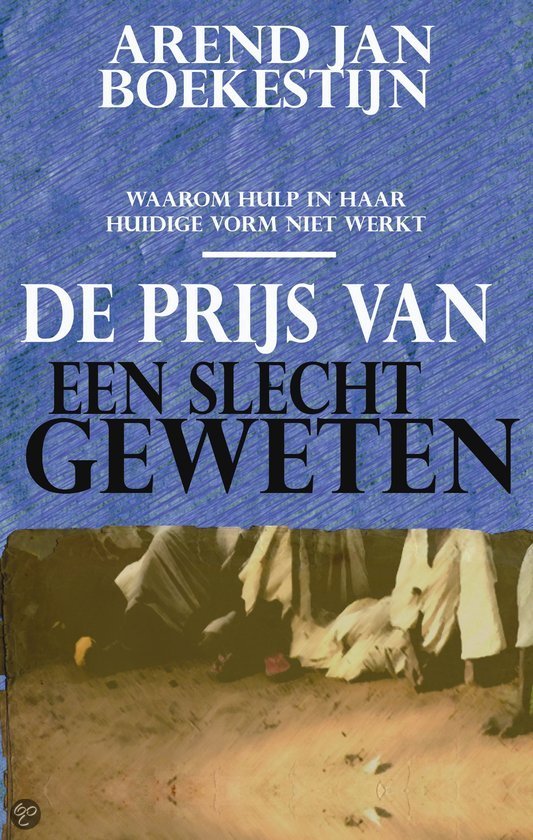
Boekestijn, a historian and former liberal MP, is on a mission. He is specifically interested in the (potential) damage aid does to poor countries and he formulates a detailed list of policy recommendation, making this book a great attempt to really influence the debate and policy on a practical level. Which to a certain extentContinueContinue reading “De Prijs van een Slecht Geweten – Arend Jan Boekestijn (2010)”
Why Nations Fail – James A. Robinson & Daron Acemoğlu (2012)

It’s subtitle reads The Origins of Power, Prosperity an Poverty. And that’s exactly what I took from the book. Help is needless if a society doesn’t have working institutions, rule of law and respect for private ownership. I read the book while in Mali, a country which proves the book’s thesis to be right.
Thinking Fast and Slow – Daniel Kahneman (2011)
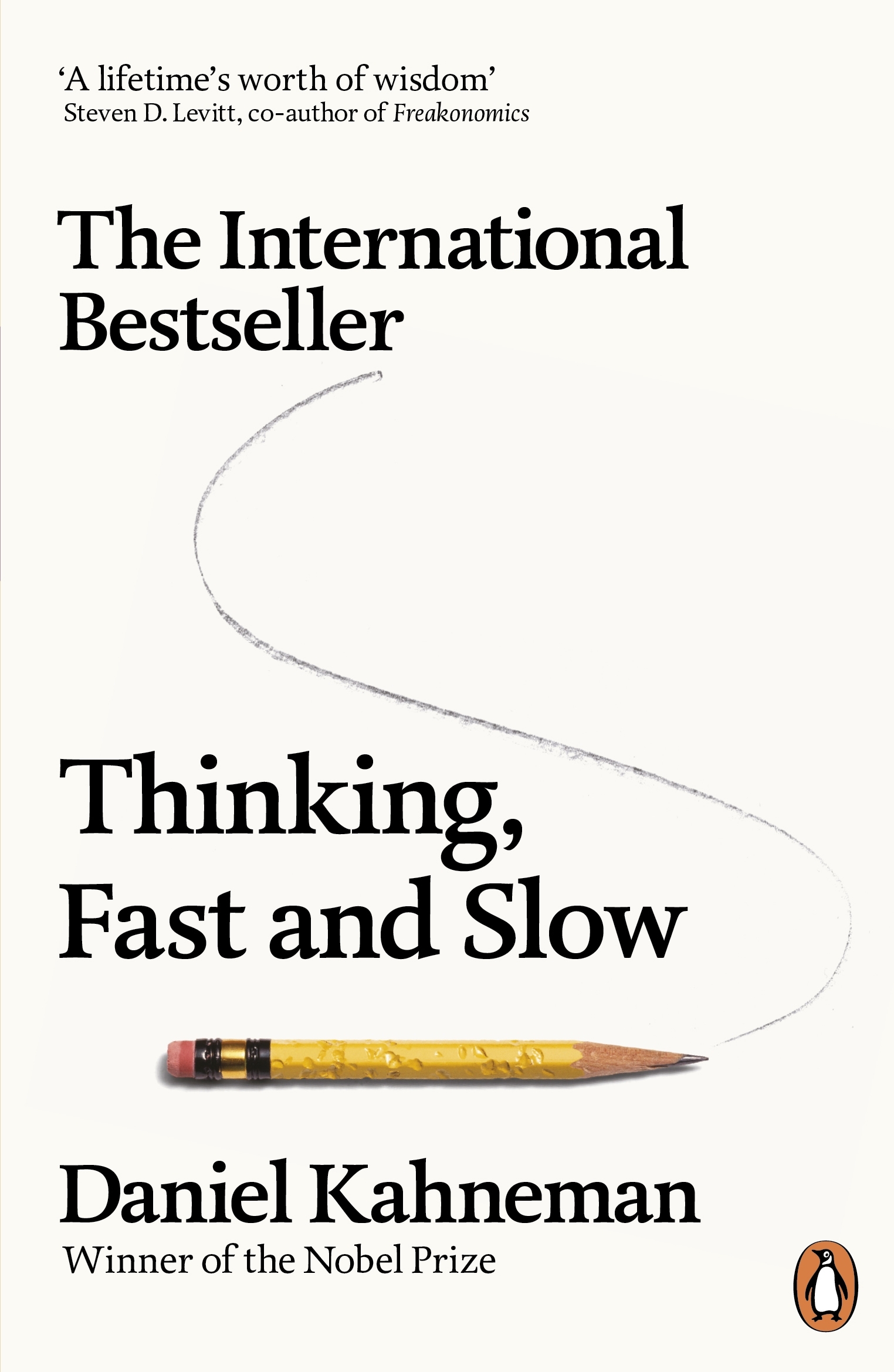
Brilliant. If I had to choose one book to take with me to a deserted island, this is the one. It’s insightful, erudite, innovative (at least to me). It took me a while to read, because every single page is interesting and makes one think. For example; we all suffer from focusing illusion: nothing inContinueContinue reading “Thinking Fast and Slow – Daniel Kahneman (2011)”
Antifragile – Nassim Nicholas Taleb (2012)

An eye-opener on how systems should work to be able to confront the future (not robust, but anti-fragile), from a man I regard as a kind of a hero. Completely independent, extremely smart, but also horrible a presenter and storyteller, as I learned first-hand during a workshop on this book. Anti-fragilty is now part ofContinueContinue reading “Antifragile – Nassim Nicholas Taleb (2012)”
Todo lo que era sólido – Antonio Munoz Molina (2014)
Essays on Spain in times of crisis – have enjoyed the beautifully written, dense Spanish sentences, again demonstrating the uniqueness the baroque writing of Spanish authors. Molina is clearly a leftist, blaming the capitalist conspiracy for Spain’s trouble.
The Great Escape – Angus Deaton(2013)
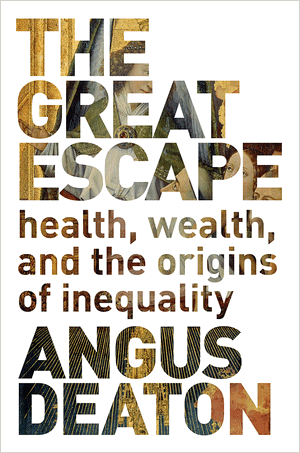
Insightful study into the reasons why nations prosper and why some don’t. And proves the case of the pejorative effect of aid. A must read for anyone working in developing countries or with international NGO’s.
The Rational Optimist – Matt Ridley (2010)
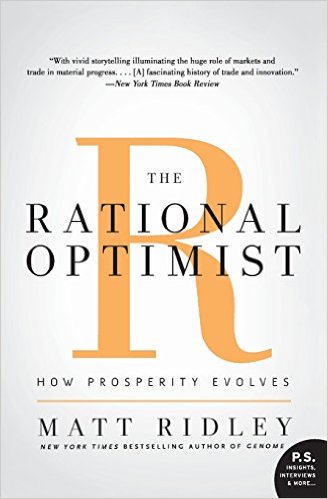
Absolutely delightful book. This is how one should live – technology, science and human creativity will solve our problems. I am a convert, cynicism is the easy choice, to be a rational optimist is the inspiring way to live.

