Met trefzekere taal beschrijft Zweig de eerste, intense, decennia van de 20ste eeuw. Het waren jaren van grote intellectuele, culturele en kunstzinnige prestaties, maar ook de tijd waarin een spoor van verwoesting door Europa trok. Juist deze combinatie van tegenstellingen – het scheppende en het destructieve – heeft de levens van Stefan Zweig en zijnContinueContinue reading “De wereld van gisteren is tijdloos”
Tag Archives: Europe
L’Europe qui protège?
Ivan Krastev heeft veel onderwerpen en analyses in “Na Europa” gestopt. En lijkt daarmee veel interessants te zeggen te hebben over immigratie, opkomst populisme, verhouding tussen Oost- en West-Europa en de EU. Maar veel hebben we elders gelezen, en sommige voorspellingen zijn nu al te weerleggen. Krastev acht het waarschijnlijk dat de Unie uit elkaarContinueContinue reading “L’Europe qui protège?”
Brexit satire
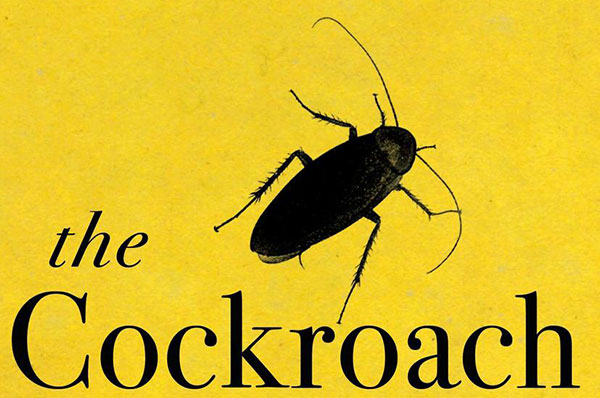
Een kakkerlak wordt op een ochtend wakker als premier van Groot-Brittannië, om het “Reversalism” in te voeren. Volgens deze leer wordt de stroom van geld omgekeerd. Werknemers betalen hun werkgever om te mogen werken, maar worden zelf weer betaald om te shoppen. Handel wekt hetzelfde: exporteurs geven Groot-Brittannië geld om hun spullen aan te nemenContinueContinue reading “Brexit satire”
The critical difference between the true and the appealing
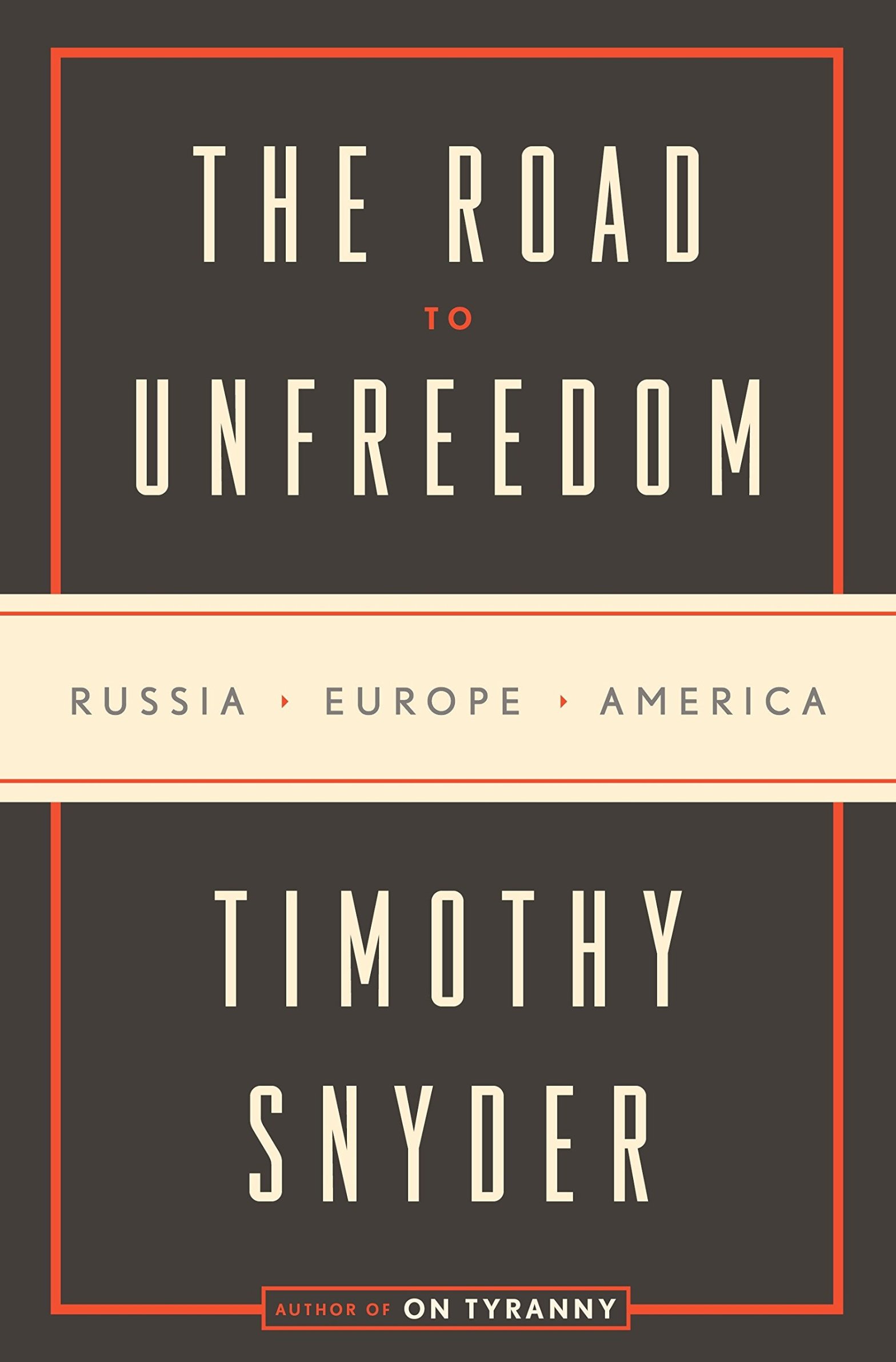
Much discussed, gloomy book by Yale professor Timothy Snyder. Snyder juxtaposes the “politics of eternity” versus “the politics of inevitability” – as far as I can see these concepts are his own. The politics of inevitability is the idea that there are no ideas. The cliche being: there are not alternatives. From the collapse ofContinueContinue reading “The critical difference between the true and the appealing”
Kwartfinale Eurocrisis: België-Nederland
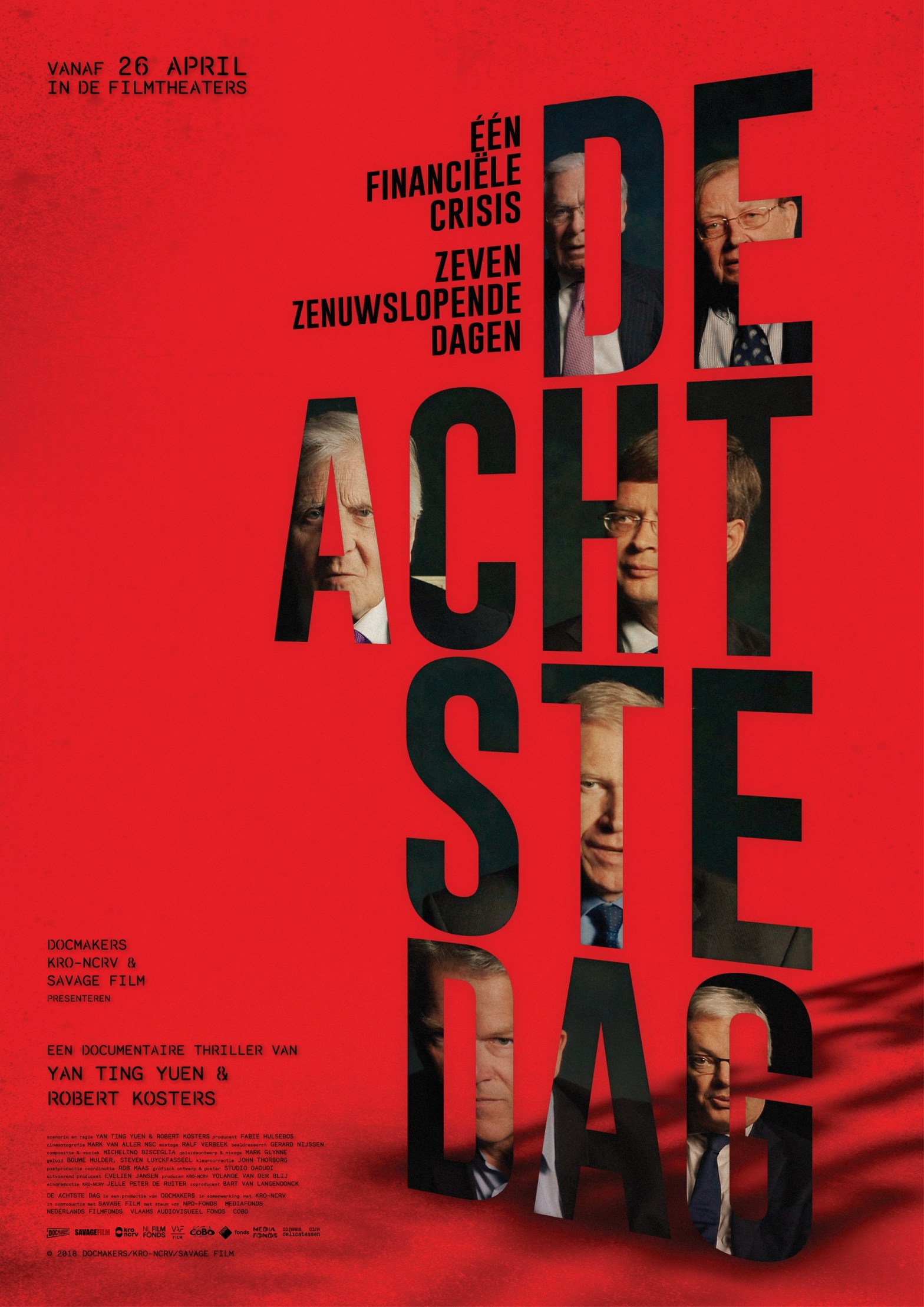
https://www.youtube.com/watch?v=10R2hwKxMB4 Fijne reconstructie van de bepalende dagen in 2008 voor de redding van Fortis/ABN-Armo. De hoofdrolspelers van toen (o.a. Trichet, Bos, Leterme, Balkenende) vertellen hoe de financiële crisis Europa aan de rand van de afgrond bracht. En we leren ook dat de Belgen toch iets anders tegen de affaire met de banken aankeken dan wij….ContinueContinue reading “Kwartfinale Eurocrisis: België-Nederland”
Het liberalisme heeft de natiestaat nodig
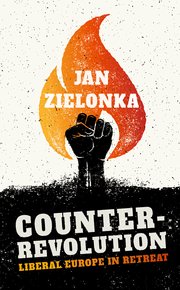
Met de val van het communisme deed in 1989 een nieuwe liberale orde haar intrede: vrijheid, democratie en voorspoed zouden het leven in Europa bepalen. Vertegenwoordigd door een nieuwe generatie machthebbers die in alles uitstraalde dat het liberale model (lees: de liberale, kapitalistische, democratie) had gewonnen. De counter-revolutionairen uit de titel zijn de huidige populisten:ContinueContinue reading “Het liberalisme heeft de natiestaat nodig”
Jong Afrika op weg naar oud Europa

Massale immigratie vanuit het jeugdige Afrika naar het ouder wordende Europa is in niemands belang. Alleen zeer gespecialiseerde krachten kunnen de vergrijzende en robotiserende Europese arbeidsmarkt helpen. Voor Afrika is het vertrek van zijn jongeren een drama dat het toch al wankele fundament onder de toekomst van het enorme continent verder ondermijnt. Het aantal werkendenContinueContinue reading “Jong Afrika op weg naar oud Europa”
Europe, head out into the world!
Bruno Maçães calls for a far more aggressive European foreign policy. “Crises and challenges unaddressed by an active foreign policy make themselves felt later in the domestic context. That’s how so many Commission proposals come to be: on relocating refugees, on blocking Chinese investment, on countering Russian fake news.” Read the full article here.
“Without Europe, there would be no sovereign countries”
https://www.youtube.com/watch?v=nziEATOj5Yk&feature=youtu.be&app=desktop Part of Snyder’s interesting mini YouTube lectures, I recently discovered.
Almost all US states richer than Europe
Surprisingly enough, Europe is lagging all American states economically
Europe, look eastwards!

Bruno Maçães, a former Portuguese Europe minister, argues that the Old Continent needs to respond to the New Silk Road as planned by China, called the Belt and Road initiative. This answer should start with taking a pan-continental view on (geo-) politics and consider Europe and Asia to be one continent. Maçães gives three reasonsContinueContinue reading “Europe, look eastwards!”
Muslims in Europe: the data behind the debate
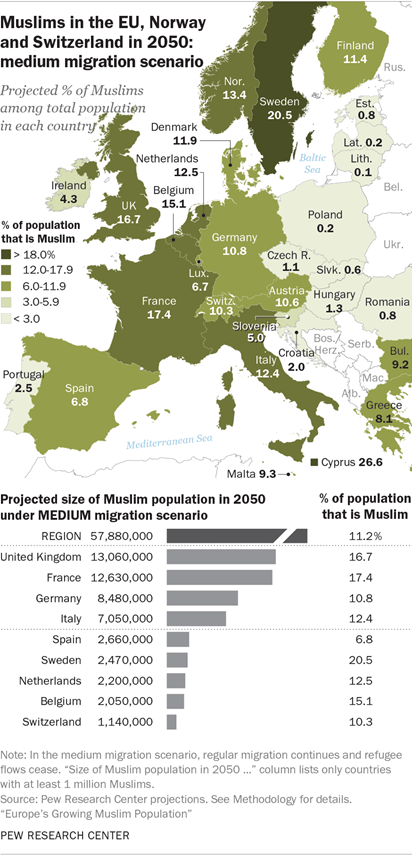
Muslims are projected to increase as a share of Europe’s population – even with no future migration. Read the full Pew Research report: http://www.pewforum.org/2017/11/29/europes-growing-muslim-population/
Geef ons Europese oppositie!

Een van de belangrijkste inzichten van Luuk van Middelaar uit zijn tijd als speechwriter van Herman van Rompuy, is dat de Europese Unie voor lidstaten werkt als een reflectie van hun specifieke angsten en verlangens. Ieder land heeft zijn eigen beeld van Europa. Voor Nederlands is dat de vrije markt, voor Frankrijk staat Europa voorContinueContinue reading “Geef ons Europese oppositie!”
Het gelijk van Yanis

Meteen aan het begin van deze politieke memoires maakt de Griekse oud-minister van Financiën Yanis Varoufakis duidelijk hoe hij zichzelf ziet: als een outsider in gevecht met de bureaucratische insiders. Met als inzet: de toekomst van zijn land. Dit onderscheid leent hij van Larry Summers, die hem tijdens een nachtelijk ontmoeting in een bar inContinueContinue reading “Het gelijk van Yanis”
Waarom zouden we – in godsnaam – shariaraden willen?
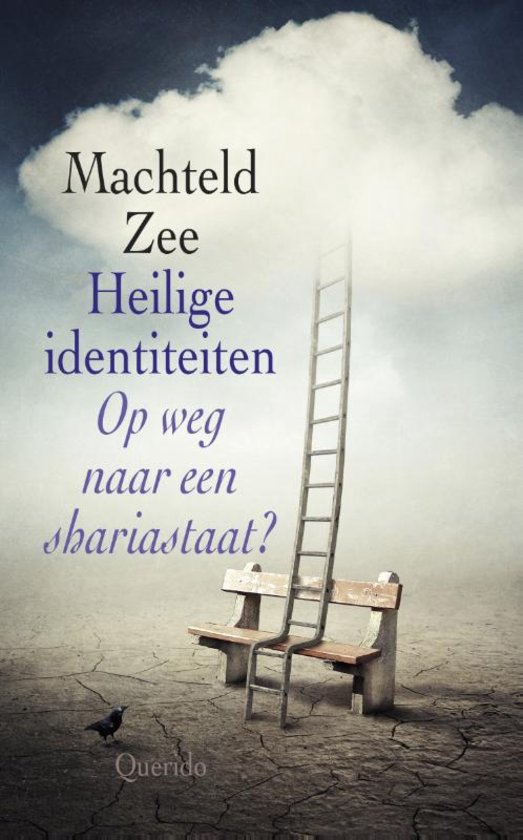
Machteld Zee heeft een verontrustende boodschap. Natuurlijk bestaat de gematigde islam. Maar hij staat wel onder de druk van zijn radicale variant om zich te voegen naar de sharia. Dat gaat soms met geweld (Iran in 1979), maar het kan ook geleidelijk: zo heeft Saudi-Arabië al 100 miljard euro gestoken in het verspreiden van hetContinueContinue reading “Waarom zouden we – in godsnaam – shariaraden willen?”
When and Why Nationalism Beats Globalism
Strong and insightful American Interest article by Jonathan Haidt on how moral psychology can help explain and reduce tensions between nationalism and globalism. What on earth is going on in the Western democracies? From the rise of Donald Trump in the United States and an assortment of right-wing parties across Europe through the June 23ContinueContinue reading “When and Why Nationalism Beats Globalism”
Begrensde opvang is de oplossing
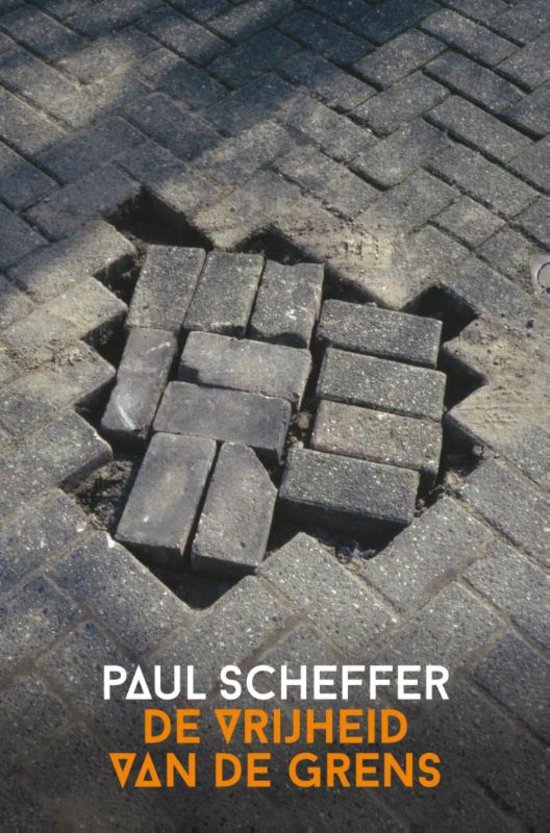
Grenzen zijn filters, geen muren. Het lijkt slechts semantiek, maar in deze constatering ligt naar mijn mening een goed startpunt voor een oplossing voor het ingewikkelde debat over vluchteling en de grenzen van Europa. Landgrenzen hebben niet twee standen – dicht of open – maar geven een samenleving de kans om controle uitContinueContinue reading “Begrensde opvang is de oplossing”
Europa van binnenuit: gelovigen en bureacraten

De oud-president van Tsjechië, Vaclav Klaus, meent dat de Europese Unie twee mythische projecten koestert: de gemeenschappelijke munt en het klimaatbeleid. Daar mag niet aan getornd worden. Derk Jan Eppink haalt de niet onomstreden Klaus aan om te laten zien dat de euro niet gebaseerd is op economische analyse, maar op het geloof dat deContinueContinue reading “Europa van binnenuit: gelovigen en bureacraten”
The Future of Europe

What is to become of Europe, now that it is in the midst of a perfect storm of several crises: recovering from a deep recession, coping with an unprecedented number of asylum seekers and refugees, not being able to protect its borders, terrorist attacks and – as a result – declining trust of its citizens?ContinueContinue reading “The Future of Europe”
The migration dilemma
In times of great emotion taking some distance can generate new perspectives. For sure, in dealing with the huge immigration crisis in Europe rational analysis is of great help in finding workable answers. This is an interesting, factual look at arguably the biggest challenge we’ve been facing for a while on the Old Continent. TheContinueContinue reading “The migration dilemma”
Reis naar het continent – Mathieu Segers (2013)
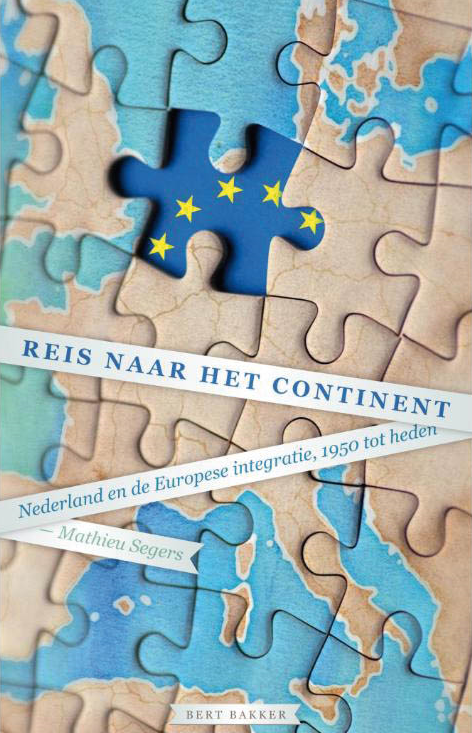
This is a very well researched account of the creation of Europe, from World War II to the present day, with quite some technical details. Nevertheless, Segers never loses his general thread. He starts with stressing that the unification of Europe was a strongly held wish from the United States (“building Europe”) and that thereContinueContinue reading “Reis naar het continent – Mathieu Segers (2013)”
The importance of insititutional reform – lessons for Greece

A recent Foreign Affairs article draws a parallel between the Greek crisis and how Latvia recovered from its own crisis. The lesson – one that we learn over and over again – is clear: unless accompanied by substantial institutional reforms, neither austerity nor Grexit will work. I furthermore hope that Tsipras finds the time toContinueContinue reading “The importance of insititutional reform – lessons for Greece”
Is the EU doomed? – Jan Zielonka (2014)

The short answer is: yes, the EU is doomed (and will only survive in minimal form), but Europa will further integrate and have a bright future. Zielonka foresees a European structure led by cities, regions and NGO’s. I not only think this is a realistic option, but also one that I could support. It’s moreContinueContinue reading “Is the EU doomed? – Jan Zielonka (2014)”
De Kracht van het Paradijs – Jonathan Holslag (2014)
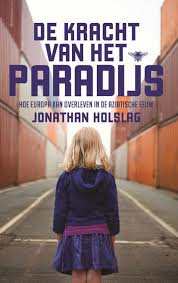
The latest book by the Belgian prodigy (32 year-old professor of International Relations in Brussels). His analyses are stronger than his solutions and the book as a whole is somewhat chaotic – large parts of the book deserve better editing – but as an overview of Europa as an idea it’s a tour de forceContinueContinue reading “De Kracht van het Paradijs – Jonathan Holslag (2014)”
Herman van Rompuy – Europa in de storm (2014)
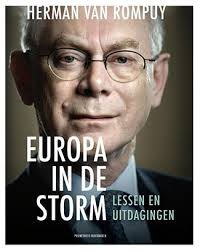
Insider’s account of Europe during the crisis, with Luuk van Middelaar probably as Van Rompuy’s ghost writer. Only for the political gourmets.
Next Europe – Joop Hazenberg (2014)

Fine overview of the EU, with a dash of investigated journalism. It stands out for its optimism about the European project and the author’s strong belief in the possibility of top-down change.
Henk Wesseling – De man die nee zee (2013)

Dutch biography on Charles de Gaulle. Probably not the best, but served its goal: to better understand the greatness of the man and the way he inspired France (by saying no).
Todo lo que era sólido – Antonio Munoz Molina (2014)
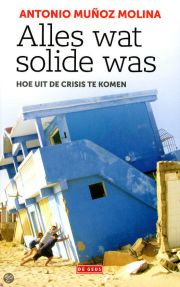
Essays on Spain in times of crisis – have enjoyed the beautifully written, dense Spanish sentences, again demonstrating the uniqueness the baroque writing of Spanish authors. Molina is clearly a leftist, blaming the capitalist conspiracy for Spain’s trouble.

