Tag Archives: Economie & Filosofie
Minority power
Fascinating piece by the great Nassim Nicholas Taleb (from last summer) on intolerance as a winning strategy (when in doubt, choose McDonald’s). It’s a long read, but worth every minute. It will teach you a lot on the impact of applying minority rule to democracy, religion and financial markets. As a teaser: “Let us conjectureContinueContinue reading “Minority power”
Echte armoede bestrijden

Paul Collier, voormalig directeur bij de Wereldbank en hoogleraar te Oxford richt zich in een van zijn onverwachte bestsellers, in het Nederlands vertaald als ‘Een Miljard Achterblijvers’, op de specifieke groep van landen waarvan de inwoners in de val zitten. De val van armoede, waar ze niet zomaar meer uit komen. Sterker nog, de situatie wordtContinueContinue reading “Echte armoede bestrijden”
Complexity science as the new Third Way
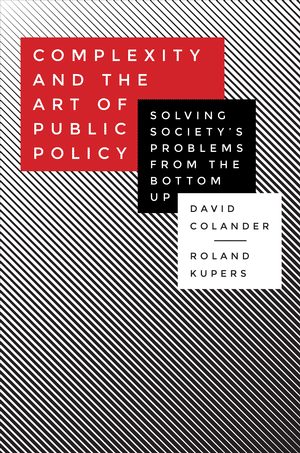
John Stuart Mill has said that models provide, at best, half truths and one must blend intuition and a broader sensibility with economics models to arrive at sensible policy conclusions. He was right. There are no one-size-fits-all solutions, not in economics and certainly not in real life. This book introduces the complexity framework as a solutionContinueContinue reading “Complexity science as the new Third Way”
Rulers of the world
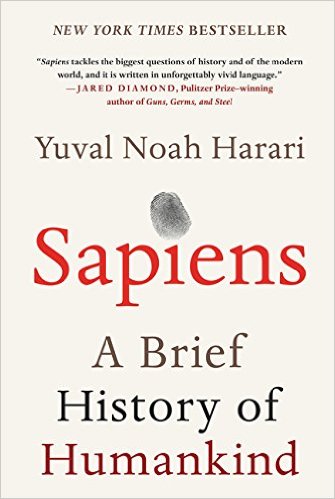
The United Nations don’t exist. The only place the nations of the world come together is in our minds. Think about it: destroying their headquarters in New York wouldn’t make us stop believing in the existence of the UN. Nor would the sudden disappearance of all its employees make the UN physically vanish. Nor wouldContinueContinue reading “Rulers of the world”
Wat te doen na de crisis?
Acht vooraanstaande economen – van Ha-Joon Chang tot Tyler Cowen – worden door Hans Wansink gevraagd hoe we zouden moeten reageren op de financiële crisis. Op de eerste pagina omarmt de samensteller van deze bundel de idee dat de crisis veroorzaakt is door de ‘creatieve destructie van de neoklassieke hegemonie’. Teveel kapitalisme, teveel vrijemarkt etc.ContinueContinue reading “Wat te doen na de crisis?”
How to change our habits?

Being addicted to gambling, murdering your wife and obsessive nail-biting have something in common: they all can be prevented by replacing bad habits with good ones. The simple, but essential insight from this book is that one has to see the habit to be able to change it. This goes for individuals, organizations and societies.ContinueContinue reading “How to change our habits?”
Het grootste datalek ooit: hoe crimineel geld wordt verstopt
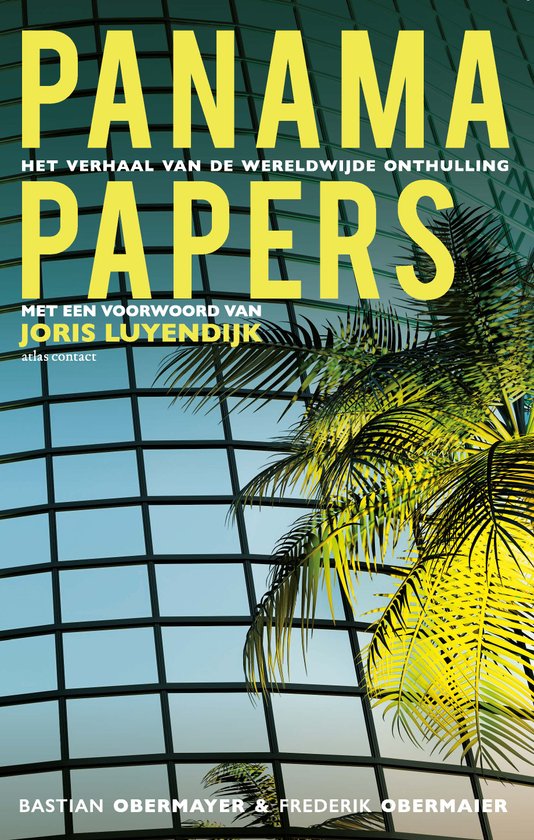
Hét boek over de tot standkoming van de Panama Papers, het grootste datalek ooit. Van de hand van de twee journalisten van de Suddeutsche Zeitung met bijna identitieke achternamen; Frederik Obermaier en Bastian Obermayer. Een ding is helder: als je wil kan je rijkdom onzichtbaar blijven. Dat is prettig. Het zal echter niet verbazen datContinueContinue reading “Het grootste datalek ooit: hoe crimineel geld wordt verstopt”
The Big Short (2015) ****
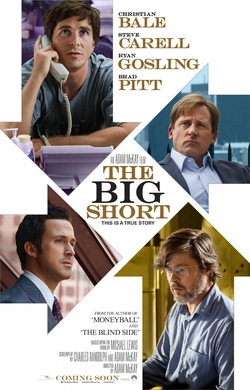
https://www.youtube.com/watch?v=LWr8hbUkG9s Great film; a successful adaptation of the book. Its scenario, actors and humor make a strong mix that drives the message home. Immoral behavior spurred by wrong incentives and a lack of real understanding (with bankers as well as customers) of financials products laid the foundation of one of the biggest economic meltdowns ever.ContinueContinue reading “The Big Short (2015) ****”
The Hedgehog and the Fox
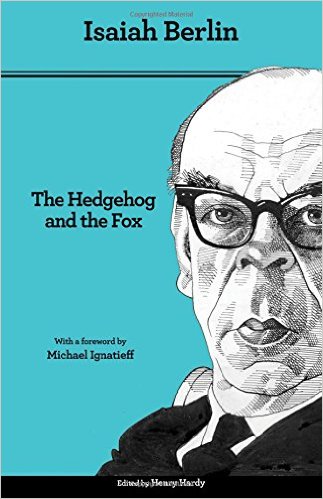
In this essay on Tolstoy, philosopher Isaiah Berlin argues that there is a fundamental distinction between those who are fascinated by the infinitive variety of things (foxes) and those who relate everything to a central, all-embracing system. The distinction comes from a saying of the ancient Greek poet Archilochus: “The fox knows many things, butContinueContinue reading “The Hedgehog and the Fox”
What is disruptive innovation?

Sometimes it seems all innovation is disruptive and all start-ups will change our lives, but as this HBR article explains the term is often wrongly used and can be misleading. And – spoiler alert – Uber doesn’t fit the label.
Will Angus Deaton’s thinking now become mainstream?

This week Angus Deaton won the Nobel Prize in Economics for his work on development, welfare and poverty. Although he is optimistic about the world as a whole becoming a better place he very much criticizes the West’s attempts to alleviate poverty in developing countries. He even insists that ‘we’ are currently making things worse.ContinueContinue reading “Will Angus Deaton’s thinking now become mainstream?”
The Tyranny of Experts – William Easterly (2014)
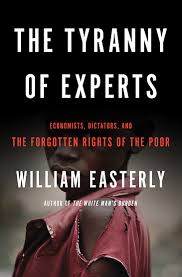
This book wants to provoke, to stir debate and eventually change our thinking on how to help the poor. Its great subtitle, Economist, Dictators and the Forgotten Rights of the Poor, is just the start. Easterly main message is that the real cause of poverty is the unchecked power of the state against poor peopleContinueContinue reading “The Tyranny of Experts – William Easterly (2014)”
Liberalism, The Life of an Idea – Edmund Fawcett (2014)
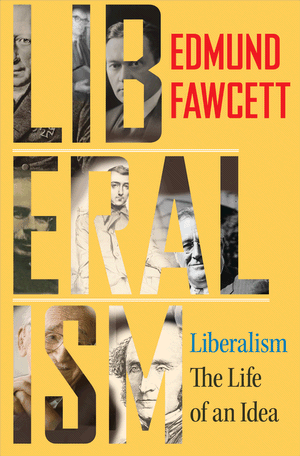
This is what one could call a tour de force: a biography of liberalism from 1830 until now. As far as I know, the first of its kind. And its a great joy to read – at least for those interested in the history of ideas. Fawcett (a former journalist) is clearly knowledgeable, has doneContinueContinue reading “Liberalism, The Life of an Idea – Edmund Fawcett (2014)”
The importance of insititutional reform – lessons for Greece

A recent Foreign Affairs article draws a parallel between the Greek crisis and how Latvia recovered from its own crisis. The lesson – one that we learn over and over again – is clear: unless accompanied by substantial institutional reforms, neither austerity nor Grexit will work. I furthermore hope that Tsipras finds the time toContinueContinue reading “The importance of insititutional reform – lessons for Greece”
Resource Revolution – Stefan Heck & Matt Rogers (2014)
Well researched (authors are McKinsey consultants) and full of fascinating examples, the book explains how to capture the ‘biggest business opportunity in a century’: the resource revolution. Combining sustainability challenges (doing more with less) with sound business practices, Heck and Rogers make a convincing case to not wait and see, but actively shape this newContinueContinue reading “Resource Revolution – Stefan Heck & Matt Rogers (2014)”
 PEPIJN VAN DIJK